

Each month, I share a book that has stayed with me, whether it offered comfort, a fresh perspective or simply good company during a difficult time. I’ll include a short note about what it is about and why you might enjoy it. From time to time, I’ll recommend a film too.

Stories can help us see our relationships, struggles and ourselves in new ways. The recommendations may come from psychology, mindfulness, personal growth or spirituality, so there is no single theme or right place to start.

Have a look whenever you feel like it and take from it what feels useful to you. You may find something that speaks to where you are at the moment.


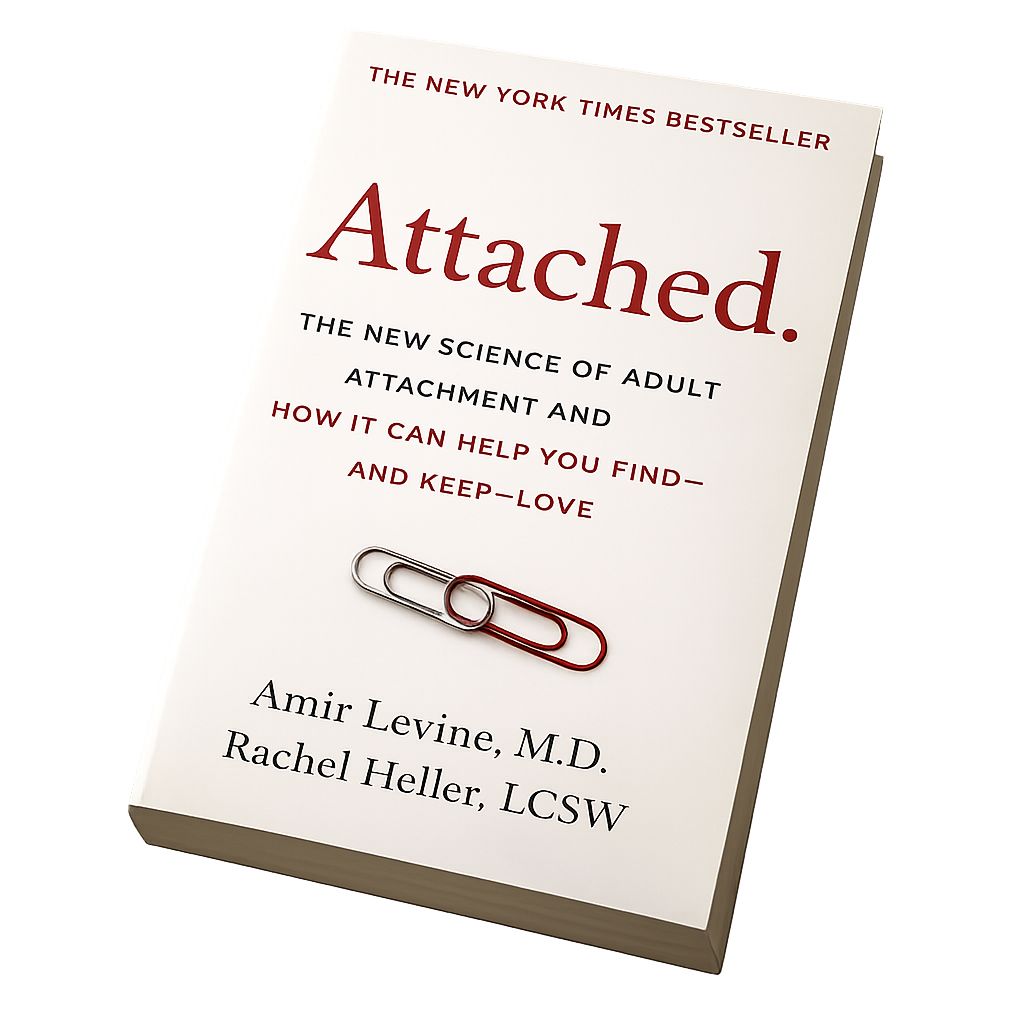
It's a book I often suggest to people because it offers a clear and insightful explanation of why we behave the way we do in relationships. The authors draw on attachment theory to explain how many of us tend to develop one of three main attachment styles, namely secure, anxious, or avoidant, and how these patterns shape the way we connect with others.

What I particularly appreciate about this book is how relatable it is. Through everyday relationship examples, it helps you begin to recognise your own patterns and understand why certain relationship dynamics may feel confusing, frustrating, or emotionally intense.

In my experience, understanding your attachment style can be incredibly empowering. It can help you make sense of your relationship experiences, communicate your needs more clearly, and move towards healthier, more secure connections.

If you're curious about your relationship patterns or want to better understand yourself and others in close relationships, this book is a thoughtful and accessible place to start. It's one of those books that often leaves people saying, "This explains so much."

Attached by Amir Levine and Rachel Heller

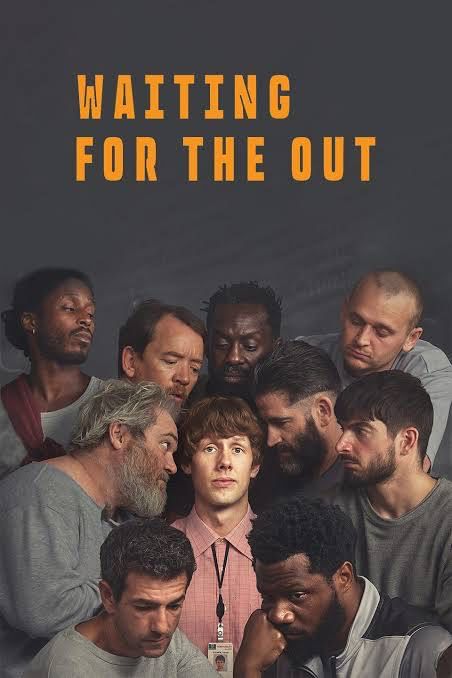
If you're looking for something powerful and thought-provoking to watch, I recommend the BBC iPlayer series Waiting for the Out, available on BBC iPlayer.

This compelling series offers an honest and deeply human look into the lives of people living with obsessive compulsive disorder (OCD). It follows an individual who is working through life while facing the daily challenges that OCD can bring: intrusive thoughts, compulsions, anxiety, and the emotional toll of feeling stuck in patterns that are incredibly difficult to break.

What makes the series so powerful is its raw authenticity. Viewers witness not only the struggles but also the courage it takes to confront fears, challenge compulsions, and take small but meaningful steps forward. Recovery is not shown as a simple or quick journey; instead, the series highlights the reality that progress often happens in the middle of the struggle, one difficult step at a time.

Waiting for the Out gently reminds us that behind every diagnosis is a person navigating fear, hope, resilience, and the desire for a freer life. It helps build understanding of OCD while offering a powerful message: change is possible, even when the journey feels incredibly hard.

It's a moving and insightful series that encourages compassion for those living with OCD and for anyone facing their own personal battles.

Waiting for the Out on BBC iPlayer

I find this book deeply harrowing, yet profoundly insightful. It is not an easy book to read because it describes the devastating effects of sustained childhood abuse, neglect and dehumanisation. However, its importance lies in the questions it raises about survival, resilience, responsibility and the need for compassionate intervention.

The essence of the book is the struggle of a child to retain some sense of identity and hope in circumstances where he is repeatedly treated as though he has no value. The title itself reflects this painful experience: being reduced from a person to an object or label. This invites reflection on how damaging it can be when children are not seen, heard or protected by the adults and systems around them.

What I find particularly significant is the insight that behaviour should never be understood without considering the context in which it develops. A child’s fear, anger, withdrawal or apparent defiance may be connected to experiences that others cannot immediately see. This does not mean excusing harmful behaviour, but it does encourage adults to respond with curiosity rather than judgement. Before asking, “What is wrong with this child?” we might ask, “What has happened, and what does this child need?”

The book also reminds me that resilience should not be romanticised. A child surviving abuse may demonstrate extraordinary strength, but survival should never be used to excuse the absence of protection, accountability or care. Children should not have to become resilient simply because adults have failed to keep them safe.

From a counselling and psychotherapy perspective, the book highlights the importance of creating relationships in which people are believed, respected and treated with dignity. It reinforces the value of safeguarding, attentive listening, emotional safety and consistent support. At the same time, it reminds practitioners to work carefully, without assuming that one person’s story can be fully understood through a single explanation.

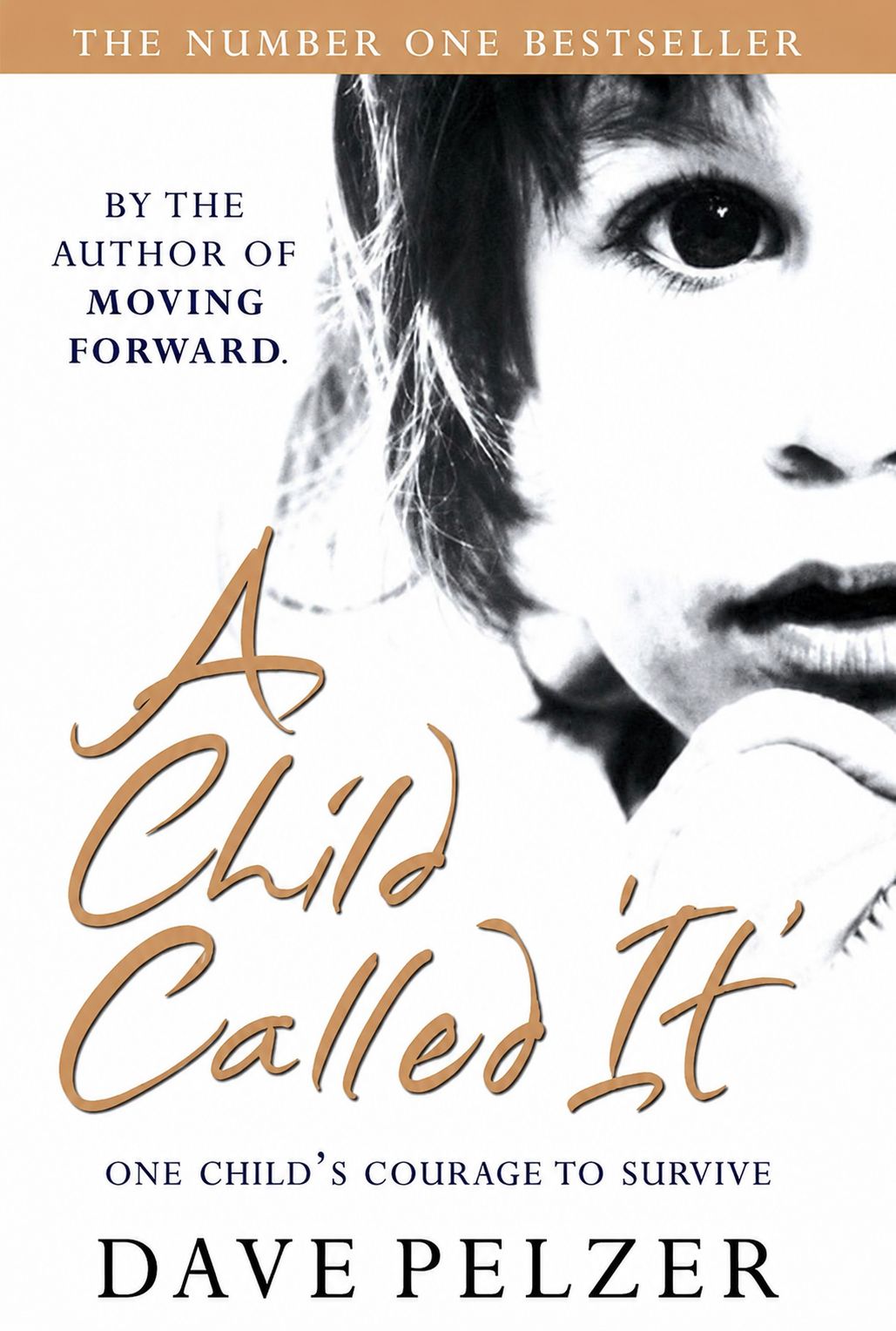
I value A Child Called “It” as a difficult but important book. It has deepened my awareness of trauma, child protection and compassionate practice, while reminding me that being genuinely seen can be an important beginning in reclaiming a sense of self.

A Child Called It by Dave Pelzer

Harry Lighton’s Pillion, starring Harry Melling as Colin and Alexander Skarsgård as Ray, offers mainstream audiences a view of queer intimacy rarely given the same space as familiar romantic stories. Set within a gay leather and biker community, it centres on a relationship shaped by BDSM, submission, dominance, desire and negotiated vulnerability.

Its value is not that it presents one definitive version of LGBTQIA+ love. It reminds us that queer relationships are not a single genre. They may be tender, funny, complicated, erotic, awkward, liberating, painful or all of these before the kettle has boiled. Love does not have to follow a heterosexual script of dating, exclusivity, marriage and domestic certainty to be meaningful.

Through Colin’s experience, Pillion explores self-discovery as an embodied, relational process. He discovers his wants, limits and pleasures, and where his boundaries begin through contact with another person and a wider community. His submission is not automatically presented as weakness. At its best, it becomes a chosen form of expression, trust and participation.

At the same time, the film does not allow liberation to become a romantic excuse for ignoring power. The relationship contains real asymmetry, uncertainty and emotional risk. This is important. Sexual freedom is not the absence of boundaries; it is the possibility of making informed, consensual choices, communicating needs, revisiting agreements and retaining agency. A submissive person is not without a voice, and a dominant person is not beyond accountability.

For mainstream viewers, the film challenges the habit of treating kink and leather culture as strange, threatening or merely comic. It offers an opportunity to see people rather than stereotypes: people seeking connection, belonging, pleasure, commitment and language for desires that may not fit conventional respectability.

Ultimately, Pillion suggests that queer liberation includes the freedom to explore sexuality without being forced into a respectable version of queerness. It also invites honesty about what love can give, what it cannot, and what each person needs in order to remain free within intimacy. That is a conversation worth bringing into the mainstream, preferably with curiosity, compassion and perhaps slightly less pearl-clutching.

Pillion, directed by Harry Lighton
Have a book or film that has stayed with you? I’d love to hear about it. Get in touch and tell me what it meant to you.

A Space for Reflection & Shared Learning

This blog is where I share reflections shaped by my work as a psychotherapist, supervisor and tutor. I write about relationships, personal growth and the everyday struggles many of us face. Some posts explore themes from therapeutic work, without including any client details, while others are simply reflections on what it means to be human.

I would like this to be a shared space. If you are a student, practitioner or reader with something you would like to contribute, you are welcome to send an original piece of up to 3,000 characters as a Word document.

Please do not include any information that could identify a client. You retain the copyright to your work. I will review submissions and may make small edits for clarity or length before publication. I will discuss any substantial changes with you first.

If you have something you would like to share, use the link below to send it to me.

Guest Contributions Welcome: If you have a reflection, idea or experience you would like to share, I’d be glad to hear from you. Please make sure your work is original and does not include any client information, even if names have been changed. You retain the copyright, and I may make small edits for clarity or length before publication. I’ll let you know if more substantial changes are needed. Send your contribution when you’re ready.

New Year, New You? Or Just… Better Acquainted with Yourself

Every January, we’re bombarded with messages about transformation, reinvention, and becoming a “new you.” But what if the most meaningful thing you could do this year is simply get to know yourself a little better?

Trauma Bonding: Not Every Bad Relationship Is One (Sorry, TikTok)

The term “trauma bonding” has become one of the most widely used, and widely misused, concepts in popular psychology. Here, I try to offer a more grounded understanding of what it actually means.

Mother’s Day, Attachment, and the Myth of Mum Doing Everything Right

Mother’s Day can stir up a complex mix of feelings: warmth, grief, longing, or complicated love. This post gently explores the relationship with our mothers and what attachment theory can tell us about it.

Making Peace With Your ‘Shadow’ (Yes, Even the Cringey Bits)

Carl Jung’s concept of the “shadow”, the parts of ourselves we hide, disown, or pretend don’t exist, is one of the most practically useful ideas in all of psychology. Here’s what it means and why it matters.

Mental Health: More Than Just ‘Having a Bad Day’

As mental health awareness grows, so does the risk of the conversation becoming diluted. This post reflects on what mental health really means, and why it matters to take it seriously.

SCoPEd A, B and C: Less Panic, More Professional Roadmap

If SCoPEd sounds like a new railway line, you are not alone. The Scope of Practice and Education framework is entering everyday professional conversation.

Mind the Gap, and Don’t Trip the Fuse: Clarkson’s Relational House Tour

Imagine therapy as a lived-in house: a safe-enough place therapist and client explore together. Clarkson’s five relational modalities can be understood through its rooms, fixtures and temperamental appliances.

Your Therapist Has a New Sat-Nav: What BACP’s 2026 Ethical Framework Means for You

If “BACP Ethical Framework 2026” makes your anxiety sit up straighter, you are not alone. The good news: it is an update, not an ethical pop quiz.